
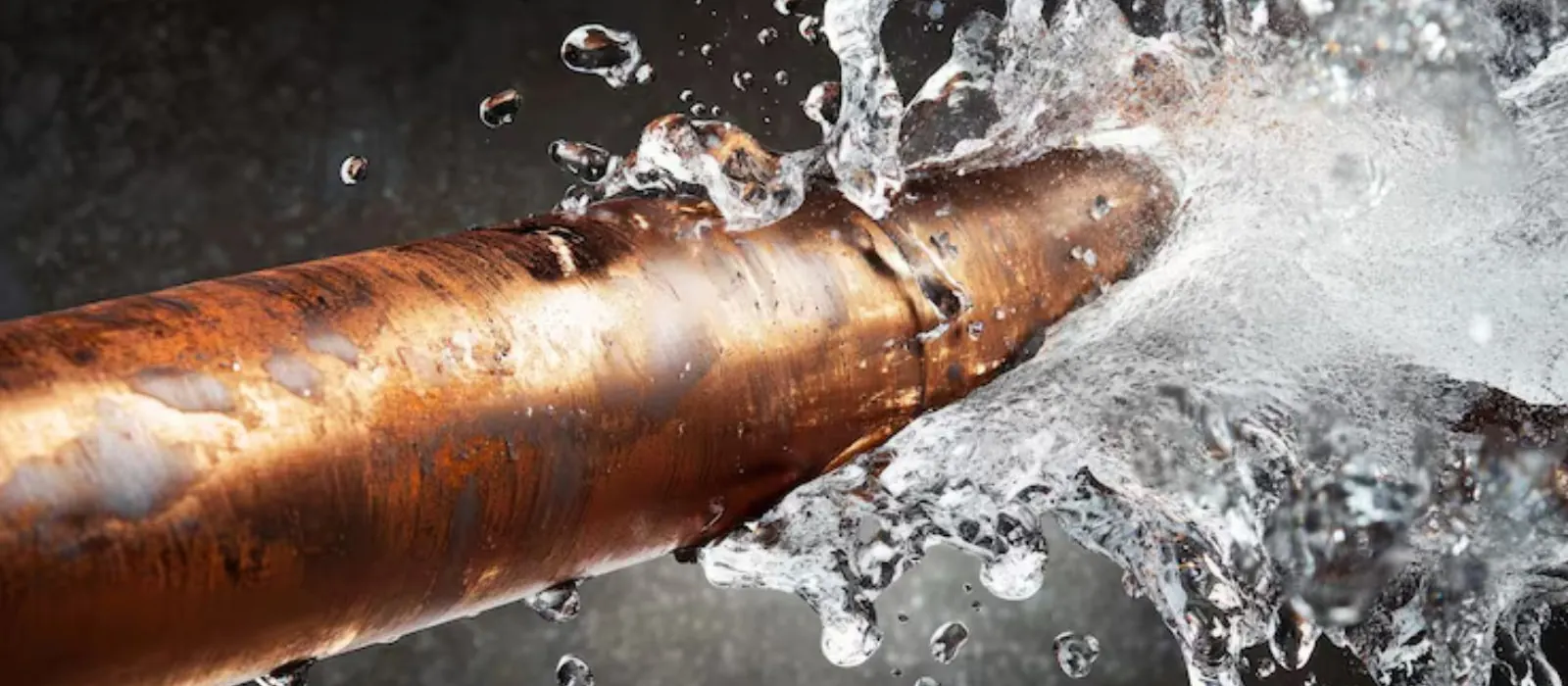
What epoxy lining actually is
Epoxy lining coats the inside of an old pipe with a resin so that the resin, not the metal, holds the water. A technician cleans the pipe, pushes or pulls the resin through, and lets it cure into a smooth, hard layer. Done well, it can seal pinholes and slow further corrosion in a pipe that is otherwise sound.
Professionals use it in specific cases, with cleaning equipment, cameras and a plan for curing. DIY kits skip most of that. The short version of this guide: for drinking water lines, the risks of a home attempt usually outweigh the savings.
A DIY kit versus a professional lining job
The gap is less about the resin and more about everything around it.
DIY kit
- Limited pipe cleaning, often with a snake or a flush.
- No camera to see the pipe before or after.
- Cure time judged by the label, not by conditions.
- No documentation of the product on a potable line.
- No one stands behind the result if it fails.
Professional lining
- Pipe cleaned and inspected before any resin goes in.
- Camera used to confirm coverage and find problem spots.
- Curing managed with proper equipment and timing.
- Product choice, approvals and permit questions settled in writing.
- Accountability for the work through a licensed contractor.
Six ways a DIY lining attempt goes wrong
Most failures come from the setup, not the kit. These are the problems we hear described most often.
Poor cleaning
Resin does not bond to scale, rust or grease. A coating that peels off in flakes can clog fixtures and aerators downstream.
Incomplete cure
Humidity, temperature and thickness all change cure time. A half-cured coating can leave the pipe tacky or soft.
Reduced flow
The lining takes up some of the pipe's inside diameter. On a small supply line, even a thin coat can cost you pressure at the far fixtures.
Blocked fittings
Pooled epoxy at an elbow or a tee can narrow or close the opening. You will not know until the water comes back on.
Wrong product for drinking water
Not every epoxy is made for water you drink. Ask what approval the product carries before it touches a potable line.
A fitting or joint is the actual leak
Lining coats the pipe wall. It will not repair a failed joint, a split seam or a bad valve.
Any one of these can turn a small leak into a bigger repair, because you now have to remove the coating before the old pipe can be fixed.
Not sure what is leaking in the first place?
A leak found early is easier to fix than a coating that has to be removed. Call us and we can talk through what you are seeing.
When lining is a bad idea
Some situations make lining the wrong call, whether done by you or anyone else.
| Situation | Why lining struggles | Better direction |
|---|---|---|
| Pipe has a failed fitting or split seam. | Epoxy coats the wall, it does not rebuild a joint. | Cut out and replace that section. |
| Many leaks in the same system. | The pipe is failing broadly, and a coating hides the trend. | Look at a repiping plan. |
| Pipe is heavily corroded or partly collapsed. | Resin cannot restore the wall or the opening. | Replace the damaged run. |
| Line feeds drinking water and the product is unknown. | You cannot confirm it is suitable for potable use. | Use a licensed contractor who documents the product. |
| Drain or sewer line with a belly or offset. | A coat follows the shape and keeps the low spot. | Camera it, then repair or replace. |
A lined pipe also gets harder to open up later, since any future repair has to deal with the cured resin.
Safer alternatives to try before you coat anything
Start by finding out what is wrong. A leak detection visit or a camera run costs little compared to a failed coating, and it tells you whether you have a joint, a pinhole or a bigger system problem.
If the problem is in a buried drain or sewer line, a sewer line repair crew can use a camera to measure the damage, then spot repair, line, or replace the section depending on what the pipe shows. If the water supply is failing in several places, a repiping job swaps the whole run and removes the guesswork.
- Shut off the water at the affected fixture or the main until you know the cause.
- Document the leak with photos and the meter reading before and after.
- Ask any contractor which product, which approval and which permit apply, in writing.
A note on insurance
If a home lining attempt fails and water damage follows, your insurer may ask what work was done and by whom. Policies differ, so read yours and call your insurer before you start. Take photos of any damage.
Your water utility and the licensed-work rule in Greenacres
Greenacres is served by the Palm Beach County Water Utilities Department, and what you put inside your own lines is your decision to get right. If you are unsure whether a product is suitable for the water in your lines, ask PBCWUD or the manufacturer before you apply it. Do not guess.
The City of Greenacres building department says work must be done by a licensed contractor or an exempt owner-builder, and permit applications are accepted only electronically. If a lining project falls under a permit, ask the building department first. Check any contractor in the county's licensed contractor search at pbc.gov/pzb and through the state's Verify a Licensee tool at myfloridalicense.com, and confirm current insurance.
A word on neighboring towns and older pipe
Homeowners in older sections of nearby towns sometimes ask about lining because they hope to avoid opening up finished walls. Our Lantana plumber page and Palm Springs service area cover those towns. In each case, the first step is the same: find out what is wrong with a camera or a pressure test before you pick a fix.
Why code questions matter for lining
Pipe repairs follow the Florida Building Code, Plumbing, which Florida builds on the International Plumbing Code (IPC), built on the IPC, and drinking water lines raise their own questions. A kit you apply yourself is worth raising with the building department first.
Ask the City of Greenacres building department before you try it. Greenacres requires a licensed contractor or an exempt owner-builder for permitted work.
Epoxy lining: straight answers
You can buy the kits, but a good result needs thorough cleaning, correct curing and a product suitable for the pipe's use. For potable water lines we do not recommend it. A licensed contractor can document the product and handle the permit questions.
Only if the specific product is approved for potable use and applied correctly. Ask for the product name and its approvals in writing before anything touches a supply line.
It can, because the coating narrows the pipe's inside diameter. The effect matters most on small supply lines, so ask how the contractor accounts for flow.
No. It coats the pipe wall. A failed fitting, joint or valve needs to be repaired or replaced.
A repiping job is the usual answer for a failing supply system, and a camera inspection can tell you whether a sewer line needs a sewer line repair or something smaller.
Ask the City of Greenacres building department. We cannot state the rule, but the City says work must be done by a licensed contractor or an exempt owner-builder, and permit applications are accepted only electronically.